Advertisement
Every major shift in technology begins quietly, often surrounded by uncertainty. When smartphones first appeared, few imagined they’d reshape modern life so completely. Now, another transformation is beginning—AI-first devices. Unlike the phones and tablets we know, these gadgets are built around artificial intelligence from the start, not added as an afterthought.
They promise a new kind of interaction: one based on understanding, prediction, and natural conversation. The real question is whether these AI-first devices can ever replace the iPhone, the symbol of modern personal technology.
For years, we’ve called our phones “smart,” but most of that intelligence lives behind screens and apps. They don’t really think—they react. AI-first devices aim to change that by becoming something closer to a companion than a tool. Instead of opening an app to check your schedule, imagine a device that reminds you to leave early because traffic is building, or suggests a break when it senses fatigue in your voice. It understands context, not just commands.
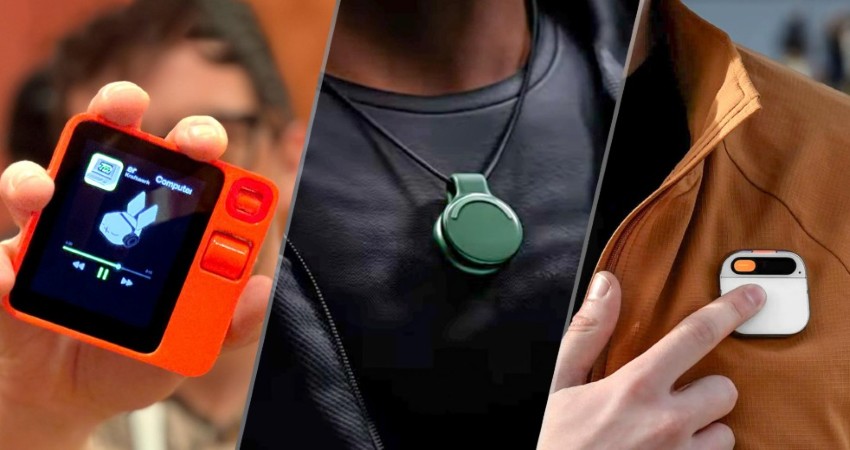
Early examples like the Humane AI Pin and Rabbit R1 show how this shift is taking shape. These devices don't rely on glowing screens; they interact through voice, gestures, and awareness of your surroundings. The goal is a kind of invisible computing technology that fades into the background while still anticipating your needs.
But taking on the iPhone is no small task. Apple’s ecosystem isn’t just about apps and design; it’s about trust, habit, and identity. The iPhone is more than a device—it’s a daily companion people rely on for work, communication, and creativity. For AI-first devices to truly compete, they’ll have to offer something deeper than convenience: a way of living with technology that feels natural, personal, and almost human.
For AI-first hardware to succeed, it must earn trust. Artificial intelligence thrives on data, but users are increasingly cautious about privacy. If people sense that their information is being misused or shared without consent, confidence fades quickly. Transparency and control over data use will be essential for these devices to gain acceptance.
Then comes reliability. A device that relies on AI must deliver consistent, practical value. It needs to handle the everyday basics—messaging, navigation, reminders, and quick access to information—without friction. If users still need to pull out their phones to perform routine tasks, the promise of AI-first living collapses.
Emotion also matters. The best AI-first devices must feel human enough to understand tone and context yet restrained enough to respect boundaries. An assistant who talks too much or feels intrusive can quickly become annoying. Getting this emotional balance right—friendly but not overbearing—is one of the hardest challenges facing developers today.
Despite the hurdles, the appeal of AI-first design is clear. These devices could reduce screen dependency, simplify multitasking, and help people focus more on the real world. Instead of being glued to displays, users could engage through natural speech or subtle prompts. Over time, AI-first technology could reshape how we interact with information, making technology feel more like a partner than a tool.
Replacing the iPhone isn’t about surpassing a device—it’s about shifting human behavior. The iPhone has become more than a gadget; it’s a cultural symbol of connectivity and creativity. Any competitor must not only perform better but also redefine what users expect from technology.
AI-first devices offer a glimpse of what that redefinition could look like. Imagine a personal assistant that detects stress from your voice, suggests breaks, or adjusts your notifications automatically. Imagine technology that quietly supports you without demanding constant attention. That kind of experience would make the screen—and perhaps even the concept of a phone—feel outdated.
However, Apple isn’t standing still. The company is weaving AI more deeply into its existing products, from Siri improvements to the new Apple Intelligence features. Instead of abandoning the smartphone format, Apple is making it smarter from within. This approach may prove more effective than trying to replace it entirely.
If history repeats itself, early AI-first devices will act as prototypes for the future rather than direct replacements. Much like early smartphones before the iPhone, these products are testing what feels natural. It may take years before AI-first technology finds its defining form. When it does, the next generation of users might grow up without ever needing a traditional phone.
The real competition isn’t between one device and another—it’s between ecosystems. The iPhone represents a complete world of communication and services. For AI-first devices to win, they’ll need to build their own ecosystem built on trust, privacy, and seamless integration with everyday life.
The rise of AI-first devices signals more than another round of innovation. It represents a change in how people relate to machines. Phones taught us to reach out and interact; AI devices may teach us to listen, speak, and respond naturally. They could move us away from constant screen use and toward genuine conversation with technology that feels both present and invisible.
Still, transitions like this take time. The iPhone is deeply rooted in how people work, communicate, and entertain themselves. What’s more likely is coexistence. AI-first devices could fill the gaps that phones cannot—personal coaching, emotional awareness, or multitasking without distraction. As AI matures, dependence on screens may fade, replaced by devices that think and adapt in the background.
Whether any AI-first device replaces the iPhone depends less on power and more on comfort. People adopt technology when it feels natural, not when it’s simply advanced. The day an AI-first device becomes trusted, familiar, and almost invisible, the shift will already have happened. The smartphone era won’t end with a bang—it will fade quietly into a world where our technology listens, understands, and responds like a companion instead of a tool.
Advertisement
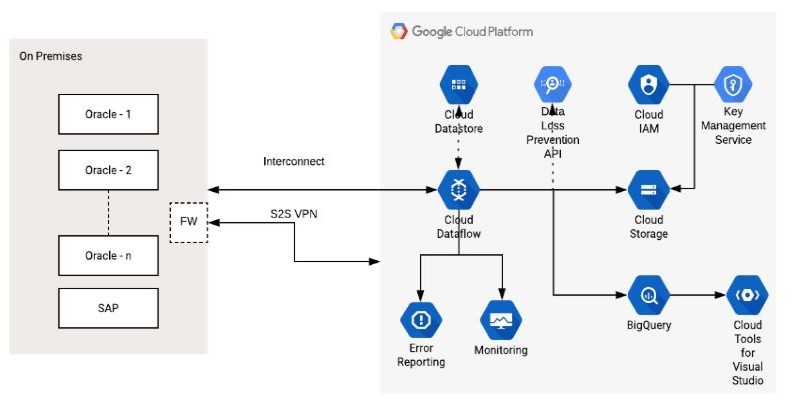
How the Google Cloud Dataflow Model helps you build unified, scalable data pipelines for streaming and batch processing. Learn its features, benefits, and connection with Apache Beam
AI saved Google from facing an antitrust breakup, but the trade-offs raise questions. Explore how AI reshaped Google’s future—and its regulatory escape
IBM showcased its agentic AI at RSAC 2025, introducing a new approach to autonomous security operations. Learn how this technology enables faster response and smarter defense

Discover the exact AI tools and strategies to build a faceless YouTube channel that earns $10K/month.

An AI startup has raised $1.6 million in seed funding to expand its practical automation tools for businesses. Learn how this AI startup plans to make artificial intelligence simpler and more accessible
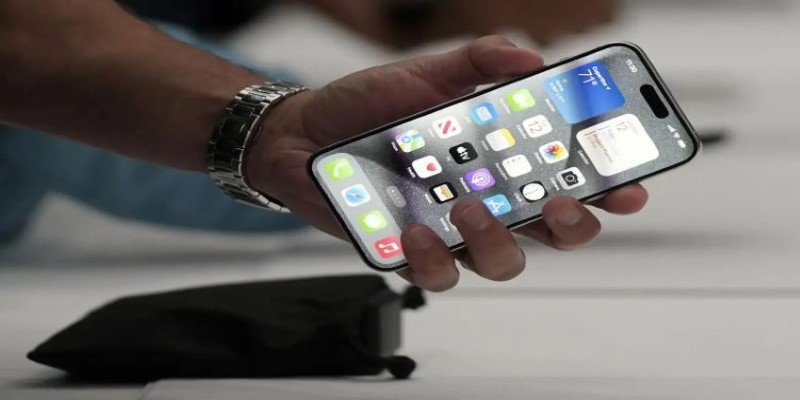
AI-first devices are reshaping how people interact with technology, moving beyond screens and apps to natural, intelligent experiences. Discover how these innovations could one day rival the iPhone by blending convenience, emotion, and AI-driven understanding into everyday life

Struggling to connect tables in SQL queries? Learn how the ON clause works with JOINs to accurately match and relate your data
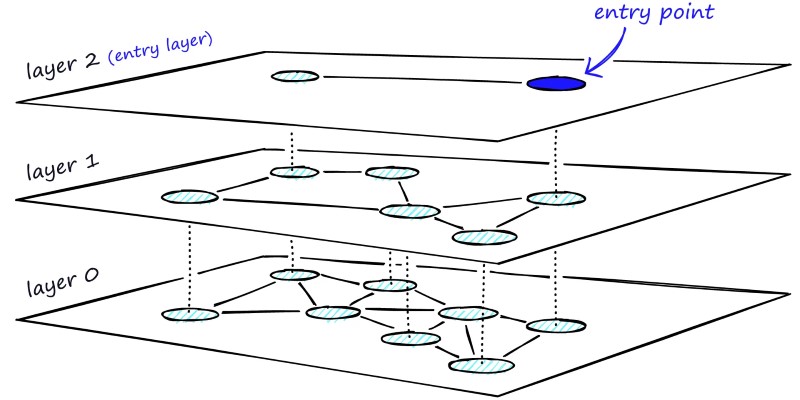
Learn how HNSW enables fast and accurate approximate nearest neighbor search using a layered graph structure. Ideal for recommendation systems, vector search, and high-dimensional datasets
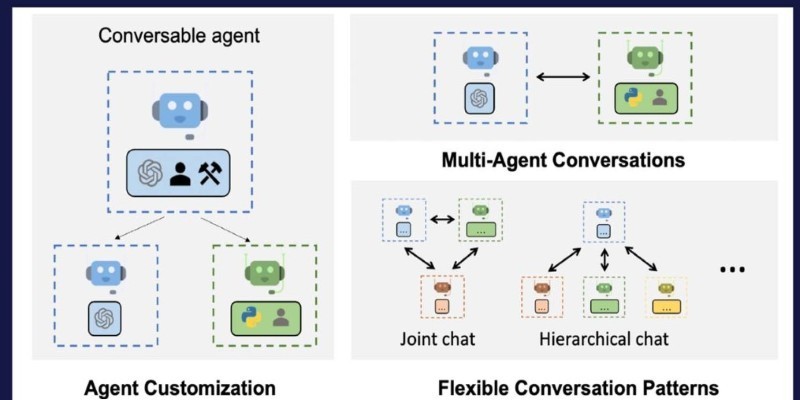
How Building Multi-Agent Framework with AutoGen enables efficient collaboration between AI agents, making complex tasks more manageable and modular
Learn how the healthcare, marketing, finance, and logistics industries apply generative AI to achieve their business goals
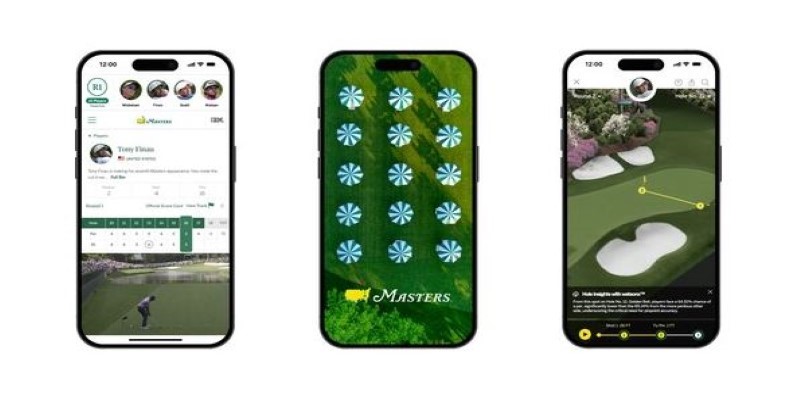
How IBM expands AI features for the 2025 Masters Tournament, delivering smarter highlights, personalized fan interaction, and improved accessibility for a more engaging experience

Discover a clear SQL and PL/SQL comparison to understand how these two database languages differ and complement each other. Learn when to use each effectively