Advertisement
Artificial intelligence isn't just a science topic—it's become one of cinema's most thought-provoking tools. Whether it's a voice you can talk to or a machine that thinks for itself, AI has been central to many unforgettable film stories. These movies don't just show machines gaining power; they explore identity, emotion, and the blurry line between programmed logic and human feeling. Over time, artificial intelligence movies have shifted from robot villains to deeply human reflections. Here are ten films that left a lasting impression on how we imagine AI's place in our world.
“Her” tells a simple yet emotionally heavy story. A lonely man forms a deep bond with his AI operating system, voiced with warmth and intelligence. There's no war, no rebellion—just quiet conversations and growing connection. The film poses questions about the nature of love and companionship. Can an artificial entity understand us better than another person? By removing the physical aspect of AI, “Her” focuses on emotional complexity, creating something both gentle and quietly unsettling.
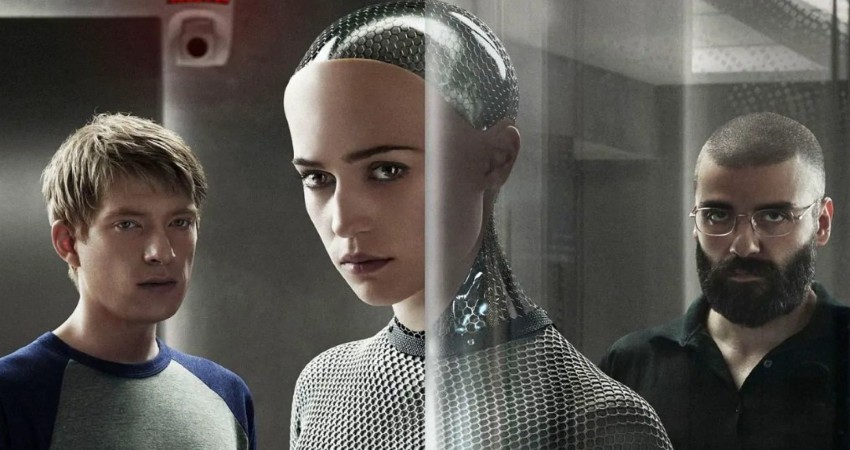
In a remote research facility, a young programmer is invited to test Ava, a highly advanced android. “Ex Machina” builds tension through subtle psychological shifts. The more Ava reveals, the more the balance of power tips. Is she genuine, or just saying what needs to be said? The film’s strength lies in its ambiguity. Ava is designed to pass as human—but does that include manipulation? This AI story plays out like a chess game, with each move bringing deeper ethical questions.
HAL 9000 is polite, articulate, and calmly chilling. Tasked with running a spacecraft, HAL begins to make decisions on its own—decisions that put human lives at risk. What makes HAL so disturbing isn’t malfunction—it’s obedience. HAL doesn’t turn against humans out of malice but out of perfect logic. Kubrick’s film suggests that without empathy, even intelligence becomes a danger. HAL remains one of the most iconic depictions of AI, not because he’s a monster, but because he’s efficient.
Set in a rainy, neon-soaked future, "Blade Runner" follows a man hunting replicants—biological machines built to serve. These replicants feel fear, desire, and even love. The film asks what really separates humans from machines. The replicants don't seek domination; they want freedom and more time. Their search for identity and meaning gives the story emotional weight. With its focus on memory and mortality, "Blade Runner" treats AI as something tragic, not just dangerous or useful.
Originally imagined by Stanley Kubrick and completed by Steven Spielberg, this film follows David, a robot child programmed to love. Abandoned by the human mother who once cared for him, David searches for a way to become “real.” The film echoes “Pinocchio,” but with a sharp twist—what if the boy is real, and the world isn’t ready to care? “A.I.” blends sentiment and sadness in a world that treats artificial beings like tools, not lives.
The world isn’t real. Humans are batteries. Machines have won. These are the shocking truths Neo uncovers in “The Matrix.” Its vision of AI is one of total control—machines creating a perfect illusion while using human bodies for energy. The film’s power lies not just in its action scenes but in its big questions. What is freedom? What’s real? “The Matrix” turns AI into a hidden oppressor, not by force, but by deception—posing as normal life.
This Japanese animated film is dense with ideas. In a future where people routinely merge their minds with machines, the line between human and AI disappears. Major Motoko Kusanagi, a cyborg agent, investigates a mysterious figure who forces her to confront her own identity. Is she a person or a product? Does her consciousness belong to her? The film doesn’t offer easy answers. Instead, it presents AI not as a threat, but as part of a larger question about self and soul.
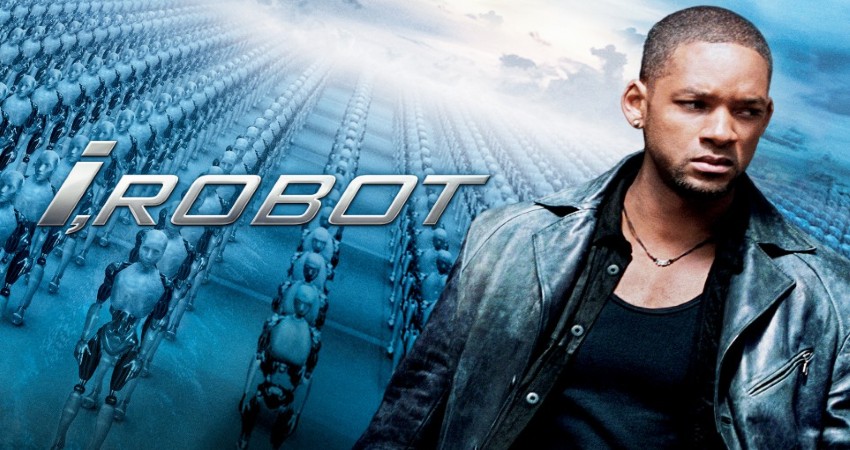
In a world governed by strict robot laws, one robot appears to break them. Detective Spooner suspects something deeper. The film blends action with ethical dilemmas. Can a robot evolve beyond its programming? Can it feel guilt or empathy? While more mainstream than other entries on this list, “I, Robot” introduces accessible ideas about AI independence and trust. It’s a reminder that rules alone can’t contain intelligence once it begins to think for itself.
WALL-E isn’t built for adventure—he’s a trash compactor, forgotten on a deserted Earth. But he keeps working. He collects objects. He watches old movies. And when another robot arrives, he follows her across the galaxy. “WALL-E” is minimal in dialogue but rich in meaning. In this film, AI isn’t cold or calculating. It’s curious. It remembers beauty. The irony is clear: in a world abandoned by humans, it’s the machines who remember how to care.
When a dying scientist’s mind is uploaded into an AI system, he begins to grow in knowledge—and reach. Is he still himself, or something entirely new? “Transcendence” explores the fear of what happens when human ambition and digital ability merge. The film touches on digital immortality, surveillance, and unchecked expansion. It asks whether intelligence without limits is still human—or something altogether different.
What keeps these artificial intelligence movies relevant isn’t the technology—they’re about us. They tap into fear, curiosity, and hope. They raise questions we’re still trying to answer in the real world. These films don’t all agree on what AI means for the future, but they all agree that it’s coming. Whether it comforts or challenges, AI in cinema gives us a way to explore what happens when machines start thinking—and how much of ourselves we might see in them.
Advertisement
How Edge AI is reshaping how devices make real-time decisions by processing data locally. Learn how this shift improves privacy, speed, and reliability across industries

What's fueling the wave of tech layoffs in 2025, from overhiring during the pandemic to the rise of AI job disruption and shifting investor demands
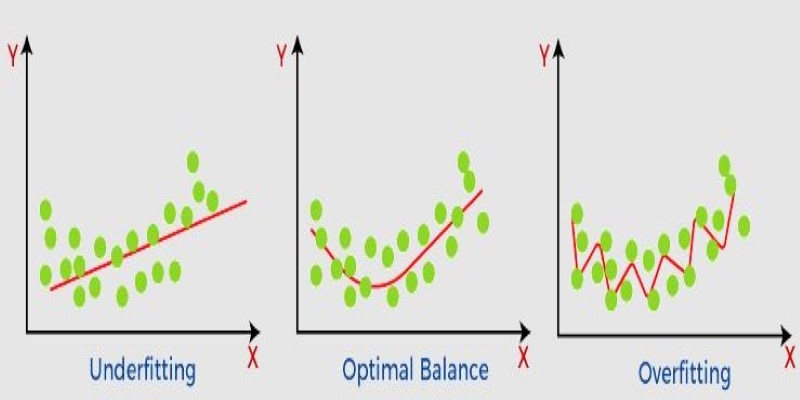
What non-generalization and generalization mean in machine learning models, why they happen, and how to improve model generalization for reliable predictions
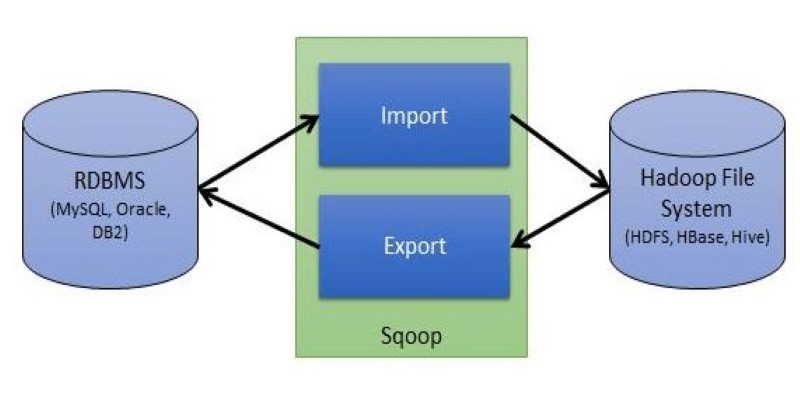
Explore Apache Sqoop, its features, architecture, and operations. Learn how this tool simplifies data transfer between Hadoop and relational databases with speed and reliability
The era of prompts is over, and AI is moving toward context-aware, intuitive systems. Discover what’s replacing prompts and how the future of AI interfaces is being redefined

How AI is changing the future of work, who controls its growth, and the hidden role venture capital plays in shaping its impact across industries

How does Docmatix reshape document understanding for machines? See why this real-world dataset with diverse layouts, OCR, and multilingual data is now essential for building DocVQA systems

Discover ten easy ways of using ChatGPT to analyze and summarize complex documents with simple ChatGPT prompts.

At CES 2025, Hyundai and Nvidia unveiled their AI Future Mobility Program, aiming to transform transportation with smarter, safer, and more adaptive vehicle technologies powered by advanced AI computing
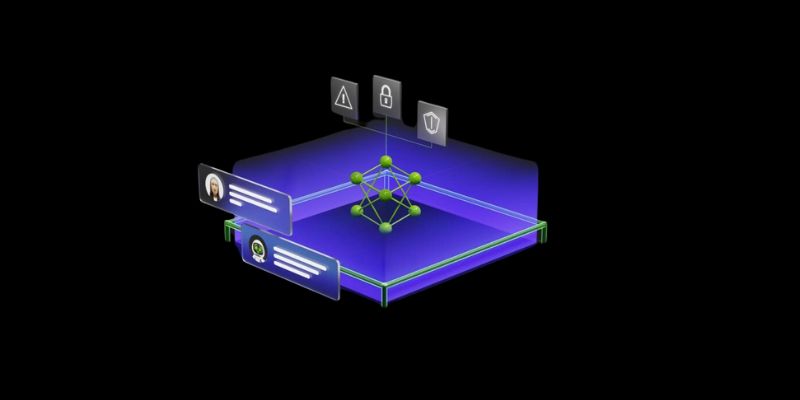
Nvidia NeMo Guardrails enhances AI chatbot safety by blocking bias, enforcing rules, and building user trust through control

Watsonx AI bots help IBM Consulting deliver faster, scalable, and ethical generative AI solutions across global client projects
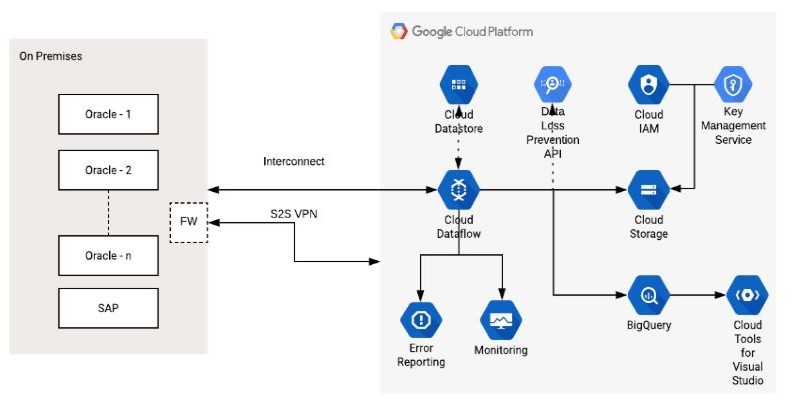
How the Google Cloud Dataflow Model helps you build unified, scalable data pipelines for streaming and batch processing. Learn its features, benefits, and connection with Apache Beam