Advertisement
Artificial intelligence is no longer a novelty—it’s shaping industries, influencing business decisions, and changing the job market. As a result, careers tied to machine learning are seeing a surge in demand and pay. What once required a PhD and years in academia is now more accessible, with real-world skills opening doors to high-paying roles.
Machine learning salary trends tell a story of transformation—where skill, relevance, and adaptability determine value. For anyone curious about the financial side of AI careers, the current numbers offer a clear incentive to pay attention.
Machine learning has grown from an academic interest into a career-defining skillset. Salaries reflect this change. Across the board, professionals working in this space—whether training models or building intelligent systems—earn more than peers in many other tech roles. In large markets like the U.S. and UK, the average salary for a machine learning engineer can start above $100,000 and grow rapidly with experience.

Demand is rising across industries. Finance, healthcare, e-commerce, and logistics all use machine learning to make predictions, automate decisions, or understand customer behavior. This cross-sector appeal makes the skillset even more valuable.
Experience is one of the biggest factors affecting salary. Engineers with a few years of hands-on work see noticeable pay jumps. Those with advanced skills in deep learning or model deployment often land higher-paying roles, especially in firms looking to scale AI solutions.
The talent shortage is another reason behind strong salary growth. While universities have expanded programs, there still aren’t enough qualified professionals to meet the growing demand. That makes self-taught engineers, bootcamp grads, and those with open-source project work especially competitive—real-world proof often speaks louder than degrees.
Geography still plays a role in how much a machine learning professional can earn. In the U.S., salaries are highest in cities with established tech industries. San Francisco, Seattle, and New York regularly offer six-figure packages, with bonuses or stock options common. However, remote work has started to shift the balance.
In Europe, cities like Berlin, Amsterdam, and London are strong tech hubs with growing AI sectors. Salaries range from €70,000 to €120,000 depending on role and experience. In Asia, regions like Singapore, Tokyo, and Bengaluru offer more varied figures, but growth is steady, especially with global companies building remote teams.
Remote collaboration is equalizing access. Skilled developers from regions that once paid lower wages can now work with international companies offering better pay. This has created more competition but also more opportunity. Salary levels are starting to reflect skill and experience more than location—especially in mid-level and senior roles.
Still, companies continue to apply some cost-of-living logic. A senior machine learning engineer in Zurich may earn more than someone with the same title in Buenos Aires, but the gap has narrowed. What’s becoming consistent is the premium placed on specialization, practical deployment, and team collaboration.
Salaries in this field aren’t set by education alone. While advanced degrees help, what really matters is whether you can build, train, and fine-tune useful models. That’s why portfolios, GitHub activity, and competition results now carry real weight in hiring and compensation.

Industry type also makes a difference. AI professionals working in finance, insurance, or healthcare often earn more due to higher data complexity and tighter regulations. Startups may pay less in base salary but offer equity or flexible work conditions. Larger tech firms tend to have structured salary bands and defined growth paths, which can be appealing for career progression.
Another driver is the specific technology stack. Engineers skilled in frameworks like PyTorch, scikit-learn, or JAX—and those experienced with ML infrastructure—are in high demand. Mastery of cloud platforms like AWS, GCP, or Azure adds value too, as companies increasingly deploy models at scale.
Strong communication skills and product sense can also improve earning potential. Those who can interpret results, explain outcomes to business teams, and understand product goals often take on hybrid roles that pay more. As machine learning moves from research to real-world deployment, this blend of skills is becoming more valuable.
Rapid innovation in the field keeps shifting expectations. Knowing how to work with newer architectures or large language models can place a candidate ahead of others. Employers value adaptability—those who learn continuously and stay updated tend to have more leverage when negotiating salaries.
Machine learning salaries are expected to keep rising as demand remains strong. Automation, recommendation systems, and AI-powered tools are becoming normal parts of business operations. That means companies are no longer experimenting with short-term AI—they’re building teams for the long haul.
Tech companies aren't the only ones hiring. Energy, retail, and healthcare are all investing in machine learning as part of their core operations. This expands the talent market and creates more chances for career shifts and salary growth.
Remote work, collaborative tooling, and open-source communities are helping spread opportunity globally. The gap between tech hubs and smaller regions is narrowing. Developers in Eastern Europe, Latin America, or Southeast Asia are more able to compete for international roles than ever before.
The next few years may see machine learning integrated into education, public services, and personal productivity apps. With that shift, new job roles will emerge. For anyone planning a long-term move into AI careers, the outlook remains promising and financially rewarding.
Machine learning salary trends are a reflection of how technology is reshaping work. They tell us that companies are ready to pay well for people who can build intelligent systems, solve real problems, and adapt as the field evolves. The combination of technical skills, real-world experience, and curiosity remains highly valued. Whether you're just starting out or already part of the field, it's clear that there's room to grow. The rewards aren't just financial; they include the chance to work on meaningful, high-impact projects. In this space, skill matters more than pedigree, and effort often leads to opportunity.
Advertisement
Ready to make computers see like humans? Learn how to get started with OpenCV—install it, process images, apply filters, and build a real foundation in computer vision with just Python

Discover the best AI art generator tools available today. Learn how you can create AI art from text prompts using powerful, easy-to-use platforms suited for beginners and pros alike

The era of prompts is over, and AI is moving toward context-aware, intuitive systems. Discover what’s replacing prompts and how the future of AI interfaces is being redefined
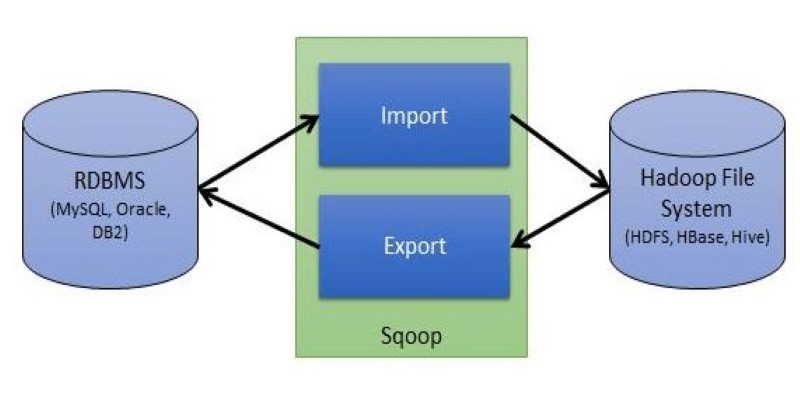
Explore Apache Sqoop, its features, architecture, and operations. Learn how this tool simplifies data transfer between Hadoop and relational databases with speed and reliability
Learn how the healthcare, marketing, finance, and logistics industries apply generative AI to achieve their business goals

Get full control over Python outputs with this clear guide to mastering f-strings in Python. Learn formatting tricks, expressions, alignment, and more—all made simple

Nvidia NeMo Guardrails enhances AI chatbot safety by blocking bias, enforcing rules, and building user trust through control

How to use ChatGPT for Google Sheets to automate tasks, generate formulas, and clean data without complex coding or add-ons

At CES 2025, Hyundai and Nvidia unveiled their AI Future Mobility Program, aiming to transform transportation with smarter, safer, and more adaptive vehicle technologies powered by advanced AI computing
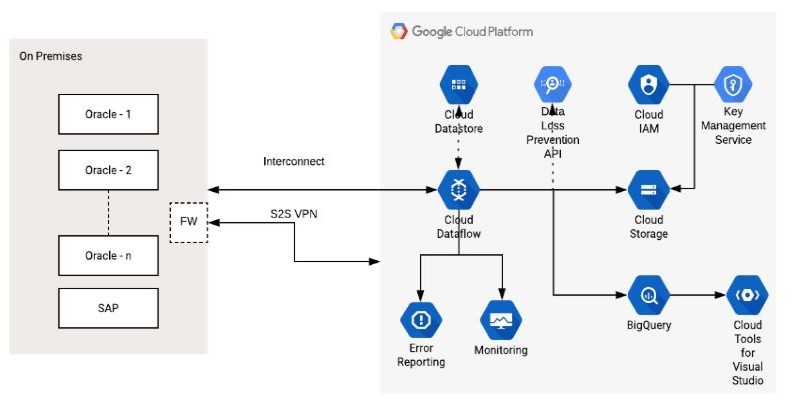
How the Google Cloud Dataflow Model helps you build unified, scalable data pipelines for streaming and batch processing. Learn its features, benefits, and connection with Apache Beam

How to classify images from the CIFAR-10 dataset using a CNN. This clear guide explains the process, from building and training the model to improving and deploying it effectively

Sam Altman returns as OpenAI CEO amid calls for ethical reforms, stronger governance, restored trust in leadership, and more